Liddesdale Hendersons
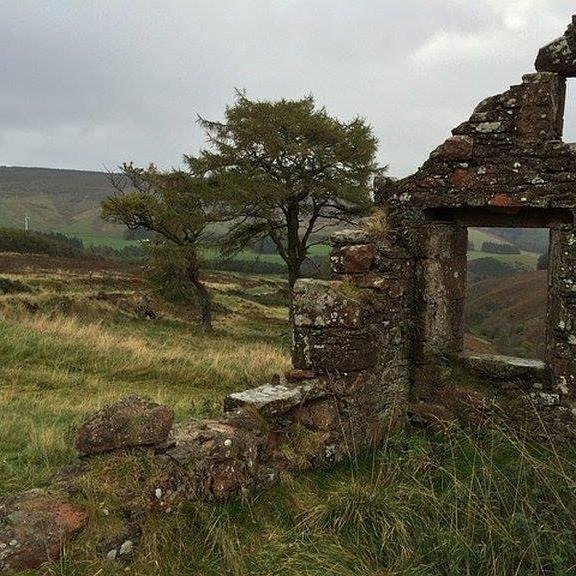

Ever had a “Hobby Horse” or at least heard the term? It was derived from the horses of the Border regions of Scotland, called hobblers or hobbys. These sure-footed, fleet horses were well suited for the main activity in Liddesdale, which was “reiving” — a nice term for the act of raiding cattle from one neighbour and selling them to another.
Prior to the 17th Century, The Borders was known as the land of the “hot trod,” or the lawful pursuit of reivers. The Borders area, especially around Liddesdale, was also known as the haven for some of the most predatory clans among the border reivers. This especially applied to the Armstrongs and Elliotts. George MacDonald Fraser, in his book The Steel Bonnets, recounts the experience of one visitor who could not find any churches in the area. “Are there no Christians here?” demanded the visitor. Came the reply: “Na, we’s a’ Elliotts and Armstrangs.”
Records indicate that by the 16th century, a Henryson had acquired a section of the border country in upper Liddesdale. Although the 1594 Act of the Scottish Parliament did not list the Hendersons as one of the Border Clans, they are recorded as living in the so-called Middle Marches during this period. One of the raiding clans that populated Liddesdale in the Middle Marches, they were without any apparent organisation or fealty to any other clan, although they intermingled with the Elliotts and moved with them first to Ulster (in northern Ireland) and then to the United States.
The ascent of James VI (James I of England) to the throne of Scotland put an end to the lawlessness which had gripped the Border country. The Middle Marches today are farmlands, but they have also been transitional lands and the centre of many battles throughout Scotland’s history.
Last updated: March 21, 2026